Strengthening Interaction and Group Coordination Via Well-Designed Acoustic Configurations in Meeting Spaces
Effective dialogue and cooperation are crucial for the achievement of any company, and the environment in which discussions take place plays a crucial role. Conference rooms, meeting areas, and organized spaces are the main sites where groups share ideas, develop approaches, and make important choices. Inadequate sound quality or high ambient noise can greatly interfere with these communications, lowering efficiency and raising the chance of misunderstandings. By implementing well-planned acoustic treatments, organizations can establish spaces that enhance clear dialogue, enable better focus, and promote efficient cooperation. These improvements not only enhance communication but also support a more professional and welcoming discussion setting.
Sound treatments, such as noise-absorbing panels, ceiling baffles, and strategic use of carpeting, directly affect the understandability of speech within a room. Sound reflections, echoes, and reverberation can make even simple discussions challenging to follow, leading to frustration among attendees. Carefully planned acoustic panels help these issues, ensuring that voices travel uniformly throughout the room. Additionally, soundproofing can prevent outside sounds from penetrating the meeting space, safeguarding sensitive discussions from disturbances. By tackling both internal and external sound issues, discussion areas can maintain a consistent sound setting that enhances clear communication and decision-making.
The design and finishes used in meeting spaces also affect total collaboration efficiency. Hard surfaces, such as glass walls and polished floors, can increase echo, while absorptive surfaces, including padded seating and sound-absorbing walls, minimize echoing. The placement of fixtures, including desks and seating arrangements, influences how sound moves and how team members interact with each other. When acoustic modifications are paired with thoughtful room design, teams can experience clearer communication, more engaged involvement, and better interaction during sessions. Such improvements encourage inclusive discussions where every voice can be considered, supporting stronger teamwork and collaboration.
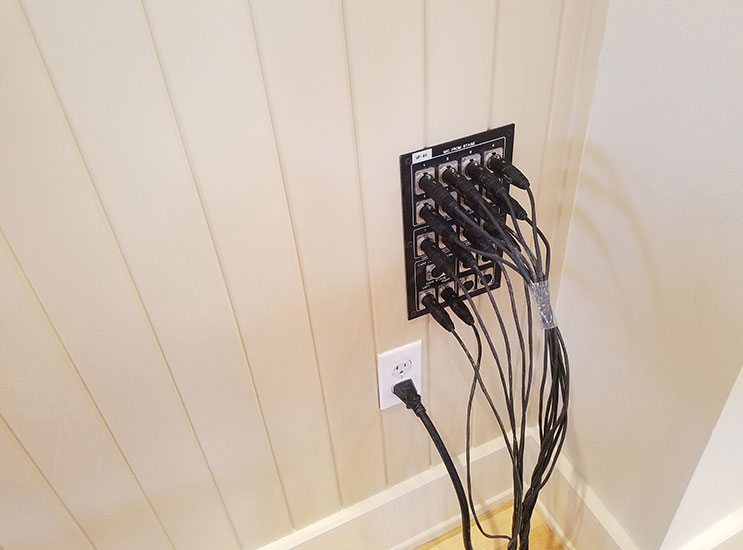
In addition to physical improvements, integrating modern tools can additionally enhance audio quality and collaboration. Conference rooms equipped with high-quality microphones, sound systems, and virtual meeting technology allow that remote participants can follow discussions without issues. Sound modifications supports these systems by reducing background noise and echo, which improves try these out the quality of online sessions. With improved sound clarity, teams can focus on discussion and planning rather than struggling to interpret speech. The combination of advanced technology and soundproofing establishes a seamless environment that supports both onsite and virtual teamwork.
Investing in acoustic treatment and audio improvements shows an company’s dedication to effective dialogue and collaboration. Well-treated Discover More Here conference rooms improve the efficiency of meetings, reduce the need for repetition, and minimize confusion. Team members and clients alike experience a more welcoming and productive setting, which can boost morale and overall effectiveness. By focusing on acoustic quality, companies create a foundation for clearer dialogue, stronger collaboration, and more effective results in all business communications.